Pest control in Islamabad and Rawalpindi is not a one-time errand — it is an ongoing part of protecting your health, your property value, and your peace of mind in a climate that practically rolls out the red carpet for termites, cockroaches, mosquitoes, and rodents. The Twin Cities sit in a humid subtropical zone with a long monsoon season, warm summers, and mild winters, which means pest pressure never fully disappears; it only changes shape from month to month.
This guide covers everything a homeowner, landlord, restaurant owner, office manager, or factory operator in Islamabad or Rawalpindi needs to know: what pest control actually is, which pests are most common locally, how professional treatments work step by step, what they cost, how to tell a serious company from a fly-by-night sprayer, and how to keep pests from coming back. If you want a straight answer fast, jump to the Key Takeaways box below or the FAQ section. If you want the full picture — the kind that lets you make a genuinely informed decision — read on.
Key Takeaway: Pest control works best as a system, not a single spray. Inspection, correct pest identification, targeted treatment, monitoring, and prevention all have to work together — which is exactly why Integrated Pest Management (IPM) is now the global standard recommended by the U.S. Environmental Protection Agency (EPA) and pest management authorities worldwide.
Key Takeaways Box
- Pest control is a year-round need in Islamabad and Rawalpindi, not a seasonal one — different pests peak in different months.
- Termites, cockroaches, mosquitoes, bed bugs, and rodents are the five pests most likely to affect twin-cities homes and businesses.
- DIY sprays typically address the pests you can see, not the colony or nest driving the infestation.
- A licensed professional follows a structured process: inspection, identification, treatment, monitoring, prevention.
- Cost depends on pest type, property size, severity of infestation, and treatment method, not a flat “one price fits all” number.
- The safest, most effective long-term approach is Integrated Pest Management (IPM), which combines multiple control methods to reduce chemical use while maximizing results.
Table of Contents
- What Is Pest Control?
- Why Pest Control Is Important
- Common Household Pests in Pakistan
- Common Pest Problems in Islamabad & Rawalpindi
- Signs of Pest Infestation
- Health Risks of Pest Infestations
- Property Damage Caused by Pests
- Types of Pest Control Methods
- Residential, Commercial & Industrial Pest Control
- The Professional Pest Control Process
- DIY vs Professional Pest Control
- Seasonal Pest Problems in the Twin Cities
- How Often Should Pest Control Be Done?
- How to Prevent Pest Infestations
- Pest Control Cost Factors
- How to Choose a Pest Control Company
- Safety Measures in Pest Control
- Common Mistakes to Avoid
- Best Practices for Long-Term Pest-Free Living
- Frequently Asked Questions
- The Future of Pest Control
- Conclusion
1. What Is Pest Control?
Pest control is the systematic management of insects, rodents, and other organisms that threaten human health, food safety, or property. It covers everything from a homeowner setting a mousetrap to a licensed technician running a full termite barrier treatment around a building’s foundation.
In its modern, professional form, pest control is rarely just “spraying chemicals.” It is a diagnostic process. A qualified technician identifies which species is present, why it has established itself in that specific location (moisture, food source, entry points, clutter), and which combination of methods, chemical, biological, mechanical, or structural, will remove the infestation with the least risk to people, pets, and the environment.
Pest Control vs. Fumigation vs. Extermination: What’s the Difference?
These terms get used interchangeably by customers, but they are not the same thing:
| Term | What It Actually Means |
|---|---|
| Pest control | The broad, ongoing practice of preventing, monitoring, and treating pest problems using a mix of methods |
| Extermination | A more aggressive, targeted elimination of an existing infestation (often the treatment step within pest control) |
| Fumigation | A specific, intensive method using gaseous pesticides in a sealed space, typically reserved for severe infestations (e.g., certain stored-product pests or extreme termite/bed bug cases) |
| Pest inspection | A diagnostic visit to identify pests, entry points, and risk factors, usually the first step, sometimes offered free |
Expert Tip: If a company only offers “spraying” with no inspection or written treatment plan, that is a red flag. Legitimate pest control always starts with identification.
2. Why Pest Control Is Important
Pest control matters for three interconnected reasons: health, property, and peace of mind.
Health protection. Cockroaches carry allergens linked to asthma and respiratory issues, rodents can contaminate food and spread disease through droppings and urine, and mosquitoes remain the single biggest vector-borne disease risk in Pakistan, particularly for dengue fever. The World Health Organization has repeatedly flagged Pakistan as an endemic dengue country with year-round transmission and seasonal peaks tied to the monsoon.
Property and financial protection. Termites in particular can cause structural damage that goes unnoticed for years because it happens inside walls, under flooring, and within wooden furniture. By the time visible signs appear, the damage is often already extensive and expensive to repair.
Business and compliance protection. For restaurants, hospitals, schools, warehouses, and offices, pest control isn’t optional, it’s a baseline requirement for hygiene certification, health inspections, customer trust, and staff wellbeing. A single visible cockroach in a dining area can cost a restaurant its reputation.
Quality of life. Beyond the measurable risks, there’s the simple fact that nobody wants to share their bedroom with bed bugs, their kitchen with roaches, or their kids’ play area with rodent droppings. Pest control restores a basic sense of comfort and control over your own space.
Ready to protect your home or business? Book a professional pest inspection with Usmania Global Enterprises, serving Islamabad and Rawalpindi.
3. Common Household Pests in Pakistan
Pakistan’s climate, hot summers, a defined monsoon season, and mild winters, supports a wide range of pests year-round. The most economically and medically significant pests reported across the country include termites (subterranean species being the most destructive to buildings), German and American cockroaches, house mosquitoes and Aedes mosquitoes (the primary dengue vector), rodents (house mice and rats), bed bugs, ants, houseflies, spiders, silverfish, and stored-product pests such as weevils and flour beetles that infest grain and pantry items.
These pests aren’t evenly distributed. Climate, building materials, drainage, and population density all affect which ones dominate in a given area. That brings us to what’s actually happening in the Twin Cities specifically.
4. Common Pest Problems in Islamabad & Rawalpindi
Islamabad and Rawalpindi share a climate and a housing landscape that make them a near-perfect environment for a specific set of pests.
Why the Twin Cities Are Especially Pest-Prone
- Monsoon rainfall (July–September) creates standing water in gutters, plant pots, water tanks, and construction sites, ideal mosquito breeding grounds.
- A mix of older and newer construction, with many homes built with wood-frame doors, window frames, and furniture, gives subterranean termites easy access points.
- Green, tree-lined sectors (a hallmark of Islamabad’s urban design) mean more soil contact around foundations, good for landscaping, but also a termite highway if not treated.
- Dense commercial areas of Rawalpindi, including older markets and food streets, create ideal cockroach and rodent habitats due to food waste and aging drainage infrastructure.
- Seasonal temperature swings push rodents indoors seeking warmth and shelter as winter approaches.
The “Big Five” for Islamabad & Rawalpindi Households
| Pest | Peak Season Locally | Primary Risk |
|---|---|---|
| Termites | Year-round activity, swarming often follows monsoon rains | Structural/property damage |
| Cockroaches | Year-round, worse in humid months | Allergens, food contamination |
| Mosquitoes | July–October (monsoon and post-monsoon) | Dengue and other vector-borne disease |
| Rodents | Intensify in autumn/winter | Disease, property/wire damage |
| Bed bugs | Year-round, spikes with travel/guest season | Bites, sleep disruption, stress |
For a deeper look at any of these specific pests, see our dedicated pages: Termite Control, Cockroach Control, Mosquito Control, Rodent Control, and Bed Bug Control.
5. Signs of Pest Infestation
Catching an infestation early is the difference between a simple treatment and a costly, drawn-out problem. Here’s what to watch for, pest by pest.
General Warning Signs (Any Pest)
- Unusual smells (musty, oily, or sweet odours depending on the pest)
- Unexplained scratching or scuttling sounds, especially at night
- Droppings, shed skins, or egg casings in corners, cupboards, or behind appliances
- Small holes or gnaw marks on food packaging, wiring, or wood
- Pets suddenly staring at or pawing walls and furniture
Pest-Specific Signs
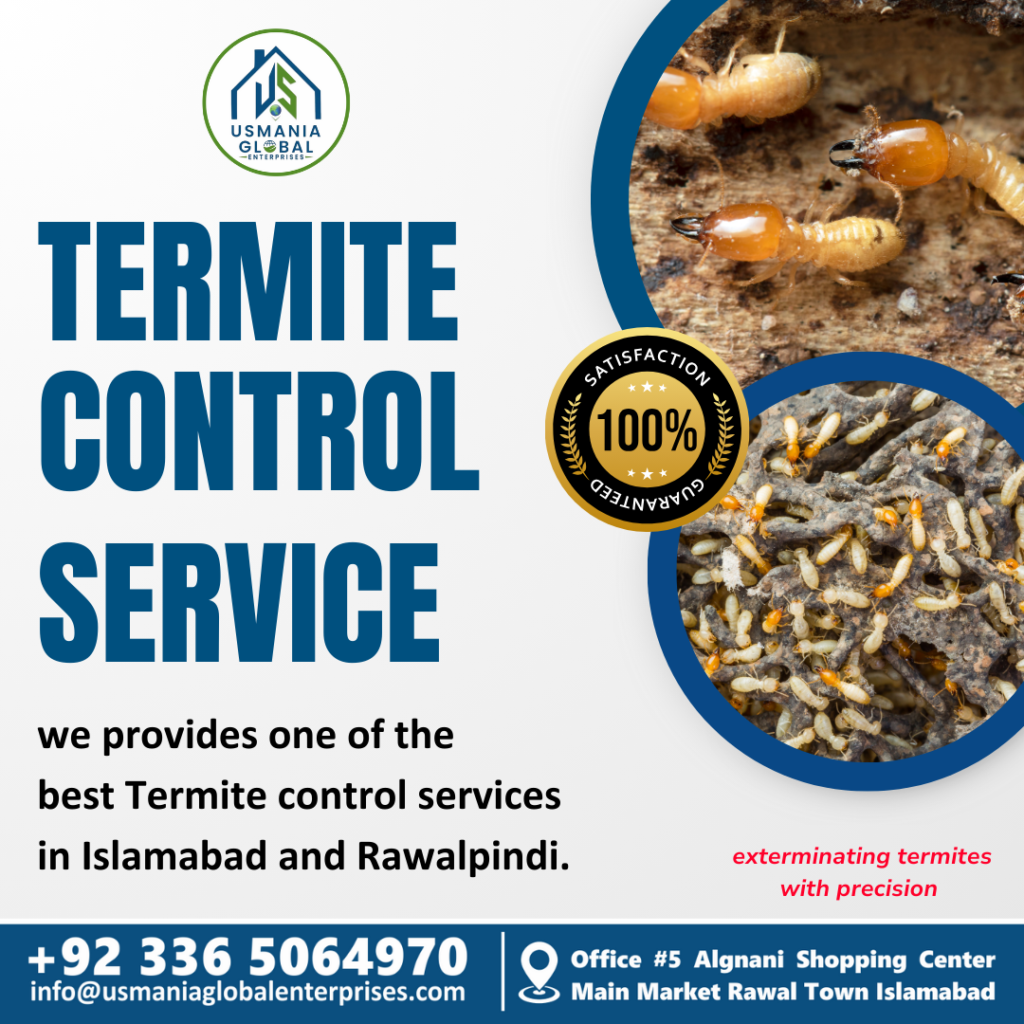
Termites
- Mud tubes running up walls or foundations
- Wood that sounds hollow when tapped
- Discarded wings near windowsills or light fixtures after a swarm
- Sagging floors, doors that stick, or paint that appears bubbled
Cockroaches
- A distinct musty, oily smell in kitchens or bathrooms
- Small dark droppings resembling coffee grounds or black pepper
- Egg cases (oval, brownish capsules) in cracks and crevices
- Roaches spotted during the day (a sign of a large, established population)
Bed Bugs
- Small reddish-brown bugs in mattress seams, headboards, and box springs
- Rusty or reddish stains on sheets
- Tiny dark fecal spots along mattress edges
- Itchy, red bite marks in a line or cluster, usually on exposed skin after sleep
Rodents
- Pellet-shaped droppings near food storage or along walls
- Gnaw marks on wires, boxes, or furniture
- Grease marks along baseboards from repeated travel along the same path
- Nesting material (shredded paper, fabric) in hidden corners
Mosquitoes
- Rising bite frequency, especially at dawn and dusk
- Standing water anywhere on the property (even small amounts in plant saucers)
- Mosquito larvae (“wrigglers”) visible in stored water
Warning Box: Never ignore discarded termite wings near windows or light fittings. This is often the only visible sign before serious structural damage has already begun underground and inside walls.
6. Health Risks of Pest Infestations
Pest infestations are not just a nuisance, they carry real, documented health consequences.
Mosquitoes and vector-borne disease. Dengue fever is endemic in Pakistan, with year-round transmission and seasonal peaks that intensify after monsoon flooding creates widespread mosquito breeding sites. The World Health Organization notes that dengue is one of the fastest-spreading mosquito-borne viral infections globally, and Pakistan has experienced recurring, sometimes severe, seasonal outbreaks. Preventing mosquito breeding around the home, eliminating standing water in particular, is one of the most effective personal actions a household can take.
Cockroaches and respiratory health. Cockroach allergens are recognised by public health researchers as a significant asthma trigger, particularly for children. Peer-reviewed research published through the U.S. National Institutes of Health has documented strong associations between cockroach allergen exposure in the home and increased asthma symptoms, hospital visits, and missed school days among sensitized children. A cockroach infestation isn’t just unsightly, it’s a genuine respiratory health concern for allergy- and asthma-prone household members.
Rodents and disease transmission. Rodents can contaminate food and food preparation surfaces through droppings, urine, and shed hair, and are known carriers of several diseases transmissible to humans, which is why food businesses in particular treat rodent control as a compliance essential, not an optional extra.
Bed bugs and mental wellbeing. While bed bugs are not typically linked to disease transmission, the sleep disruption, itching, and psychological stress caused by an infestation are well documented and can meaningfully affect quality of life and productivity.
Stinging and biting insects. Ants, spiders, and other household insects can cause allergic reactions ranging from mild irritation to more serious responses in sensitive individuals.
If anyone in your household has asthma, allergies, or a compromised immune system, pest control isn’t a lifestyle choice, it’s preventive healthcare. Request a free inspection to identify risks before they escalate.
7. Property Damage Caused by Pests
Pests don’t just threaten health, they threaten the physical asset you’ve invested in.
- Termites silently consume wood framing, door frames, skirting boards, furniture, and even paper products (books, documents). Because subterranean termites often work from the inside out, damage can be extensive before it’s visually obvious.
- Rodents gnaw through electrical wiring (a genuine fire risk), insulation, plastic piping, and stored goods.
- Cockroaches contaminate stored food, packaging, and can damage book bindings and paper in commercial archives.
- Stored product pests (weevils, flour beetles, grain moths) destroy pantry staples like rice, flour, pulses, and spices, a particular concern for households that store bulk grain, a common practice in Pakistan.
- Bed bugs, while not structurally damaging, often force households to discard mattresses, upholstered furniture, and bedding that cannot be fully treated.
Real-Life Example: A common pattern seen in older Rawalpindi homes: a wooden door frame that “feels soft” or a skirting board that crumbles when pressed is frequently the first physical sign a homeowner notices, by which point a subterranean termite colony has typically been active for months or longer.
8. Types of Pest Control Methods
There is no single “best” pest control method, the right approach depends on the pest, the environment, and the severity of the problem. Professional providers typically draw from four categories.
Chemical Pest Control
Chemical pest control uses registered pesticides, insecticides, and rodenticides to kill or repel pests. Modern professional-grade products used by licensed technicians are applied in targeted, measured doses, a world apart from unregulated “bazaar sprays,” and are selected specifically for low toxicity to humans and pets when applied correctly by trained personnel.
Best for: Termites, cockroaches, ants, bed bugs, and severe infestations requiring fast knockdown.
Biological Pest Control
Biological pest control uses natural predators, parasites, or pathogens to manage pest populations without synthetic chemicals, for example, encouraging natural predator insects in gardens, or using biological larvicides in standing water to target mosquito larvae without harming other wildlife.
Best for: Garden and yard pests, mosquito larvae in water bodies, environmentally sensitive sites (schools, hospitals, homes with young children or pets).
Mechanical/Physical Pest Control
Mechanical control relies on physical barriers, traps, and exclusion techniques rather than chemicals, sealing entry points, installing door sweeps and window screens, using snap or catch traps for rodents, and physical termite barriers during construction.
Best for: Rodent control, exclusion (preventing pests from entering in the first place), and as a complement to chemical treatments.
Integrated Pest Management (IPM)
According to the U.S. Environmental Protection Agency, Integrated Pest Management is “a sustainable approach to managing pests by combining biological, cultural, physical, and chemical tools in a way that minimizes economic, health, and environmental risks.” Rather than defaulting to routine chemical spraying, IPM follows a structured, threshold-based decision process: identify the pest, monitor its presence, determine whether action is genuinely needed, and then apply the least invasive effective method first, escalating only when necessary.
Best for: Long-term, sustainable pest management across homes, offices, restaurants, hospitals, schools, and industrial facilities. This is the approach recommended by pest management authorities worldwide and the method Usmania Global Enterprises builds its service plans around.
Comparison Table: Pest Control Methods at a Glance
| Method | How It Works | Speed of Results | Environmental Impact | Best Use Case |
|---|---|---|---|---|
| Chemical | Registered pesticides target pests directly | Fast | Moderate (minimized with correct application) | Active infestations, termites, cockroaches |
| Biological | Natural predators/pathogens reduce pest populations | Slow to moderate | Very low | Gardens, mosquito larvae, sensitive sites |
| Mechanical | Traps, barriers, exclusion | Immediate for trapped pests | None | Rodents, prevention, entry-point sealing |
| IPM | Combines all methods based on inspection and thresholds | Fast + sustainable | Low overall | Long-term protection for any property type |
Pros & Cons Snapshot
| Method | Pros | Cons |
|---|---|---|
| Chemical | Fast results, effective on large infestations | Requires professional handling for safety |
| Biological | Eco-friendly, safe around children/pets | Slower, not effective for all pest types |
| Mechanical | No chemicals, immediate physical results | Labour-intensive, doesn’t address root colony |
| IPM | Balanced, sustainable, cost-effective long-term | Requires ongoing monitoring and commitment |
9. Residential, Commercial & Industrial Pest Control
Pest control isn’t one-size-fits-all, the approach, frequency, and regulatory considerations differ significantly by property type.
Residential Pest Control
Focused on homes and apartments in Islamabad and Rawalpindi. Priorities typically include termite prevention (especially for homes with wooden structural elements), cockroach and ant control in kitchens, mosquito reduction around gardens and water tanks, and bed bug treatment in bedrooms. Family and pet safety are the top concern, which is why residential treatment plans emphasize low-odour, fast-drying, child- and pet-considerate application methods.
Commercial Pest Control
Covers restaurants, offices, retail shops, and small commercial buildings. Commercial clients need discreet treatment (often scheduled outside business hours), documentation for health inspections, and a consistent maintenance schedule rather than one-off visits. Restaurants in particular need aggressive cockroach and rodent prevention given direct food-safety implications.
Industrial Pest Control
Applies to warehouses, factories, and large storage facilities. Industrial sites face unique risks: stored product pests damaging inventory, rodents affecting large storage areas and machinery/wiring, and the need for pest management plans that satisfy export or supply-chain compliance requirements. Industrial treatment plans typically involve more extensive perimeter defense and routine scheduled monitoring.
Comparison Table: Property Type vs Pest Control Needs
| Property Type | Primary Pest Risks | Typical Treatment Frequency | Key Priority |
|---|---|---|---|
| Homes/Apartments | Termites, cockroaches, mosquitoes, bed bugs | Quarterly to bi-annual | Family/pet safety |
| Restaurants | Cockroaches, rodents, flies | Monthly | Health compliance, discretion |
| Offices | Ants, cockroaches, rodents | Quarterly | Minimal disruption |
| Warehouses/Factories | Rodents, stored product pests | Monthly to quarterly | Inventory protection |
| Schools/Hospitals | Cockroaches, rodents, mosquitoes | Regular scheduled IPM | Low-toxicity methods |
Whether you manage a single home or a multi-site commercial operation, Usmania Global Enterprises’ pest control services are tailored to Islamabad and Rawalpindi property types across residential, commercial, and industrial sectors.
10. The Professional Pest Control Process
A proper pest control service follows five structured stages. If a company skips straight to “spraying” without the earlier steps, you’re not getting real pest control, you’re getting a temporary cosmetic fix.
Step 1: Inspection
A technician surveys the property inside and out, checking foundations, plumbing areas, kitchens, storage rooms, roof spaces, and garden/yard areas, looking for pest activity, entry points, moisture sources, and conditions that attract pests.
Step 2: Identification
Correct species identification matters enormously. Treatment for German cockroaches differs from treatment for American cockroaches; treatment for subterranean termites differs from drywood termites. Misidentification leads to wasted treatment and continued infestation.
Step 3: Treatment
Based on the inspection and identification, the technician applies the appropriate method or combination of methods, targeted chemical application, baiting, biological larvicide, traps, or exclusion work, focused on both visible pests and the underlying colony or breeding source.
Step 4: Monitoring
Especially for termites, rodents, and stored product pests, ongoing monitoring (bait station checks, follow-up inspections) confirms the treatment is working and catches any resurgence early.
Step 5: Prevention
The final and most overlooked step: sealing entry points, addressing moisture issues, advising on sanitation practices, and setting a maintenance schedule so the problem doesn’t simply return in a few months.
Step-by-Step Checklist for Homeowners Before a Pest Control Visit:
- Clear kitchen counters and cupboards
- Move pets and their food/water bowls to a separate room
- Cover or store children’s toys
- Note any specific areas of concern (sounds, smells, sightings) to tell the technician
- Ensure access to attic, basement, or storage areas if relevant
- Ask for a written treatment plan and safety instructions before the technician leaves
11. DIY vs Professional Pest Control
Supermarket sprays and home remedies have their place, but they also have real limits that are worth understanding before you rely on them for anything beyond a single stray insect.
Comparison Table: DIY vs Professional Pest Control
| Factor | DIY Pest Control | Professional Pest Control |
|---|---|---|
| Addresses root cause (nest/colony) | Rarely | Yes |
| Correct pest identification | Often guessed | Confirmed by trained technician |
| Product strength/access | Limited to consumer-grade products | Professional-grade, targeted formulations |
| Safety for family/pets | Depends on user knowledge | Applied by trained, licensed personnel |
| Long-term prevention plan | Rarely included | Standard practice |
| Cost | Lower upfront | Higher upfront, often lower long-term (avoids repeat problems and damage) |
| Best suited for | Minor, isolated sightings | Ongoing, recurring, or structural infestations (termites, bed bugs, rodents) |
When DIY Might Be Enough
- A single ant trail you can trace to an obvious entry point
- One or two flies or mosquitoes with no ongoing pattern
- Basic sanitation and prevention (sealing food, removing standing water)
When You Need a Professional
- Any sign of termites (mud tubes, hollow wood, discarded wings)
- Bed bugs (DIY treatments notoriously fail to eliminate full infestations and can scatter bugs into new areas)
- Recurring cockroach or rodent sightings
- Any infestation in a food business, school, or healthcare setting
- Infestations that return after DIY treatment
Expert Tip: Bed bugs are one of the most commonly mis-treated pests by DIY methods. Store-bought sprays often kill visible bugs on contact but fail to reach eggs hidden deep in seams and cracks, leading homeowners to believe the problem is solved, only to see it return within weeks. Professional bed bug control targets the full life cycle, not just visible adults.
12. Seasonal Pest Problems in the Twin Cities
Understanding the seasonal rhythm of pest activity in Islamabad and Rawalpindi helps households and businesses plan treatment proactively instead of reactively.
| Season | Dominant Pest Activity | Why |
|---|---|---|
| Spring (March–May) | Ants, early termite swarming, garden pests | Warming temperatures trigger colony activity |
| Monsoon/Summer (June–September) | Mosquitoes (dengue risk peak), cockroaches, flies | Standing water, humidity, and heat accelerate breeding |
| Autumn (October–November) | Rodents begin moving indoors, stored product pests in pantries | Cooling temperatures push pests toward shelter and food |
| Winter (December–February) | Rodents, indoor cockroaches, spiders seeking warmth | Pests concentrate indoors where it’s warm and food is accessible |
Key Takeaway: Waiting until you see a pest problem often means treating it during its peak season, when populations are largest and hardest to control. Seasonal, preventive treatment, timed ahead of monsoon and winter, is significantly more effective than reactive treatment.
13. How Often Should Pest Control Be Done?
There’s no universal answer, but general guidance based on property type and risk level looks like this:
| Property/Situation | Recommended Frequency |
|---|---|
| Average home, no active infestation | Every 3–6 months (preventive) |
| Home with prior termite/pest history | Quarterly, plus annual termite inspection |
| Restaurants/food businesses | Monthly |
| Warehouses/industrial sites | Monthly to quarterly |
| Active infestation | Follow the technician’s specific treatment schedule (often 2–3 visits over several weeks, then maintenance) |
| High-risk mosquito season (monsoon) | Additional targeted mosquito treatment in June–September |
Termite protection in particular is not a “spray once and forget it” service, most professional termite treatments come with a defined warranty period, after which reinspection is strongly recommended given how easily termites can re-establish from untreated soil nearby.
14. How to Prevent Pest Infestations
Prevention is always cheaper and less stressful than treatment. Here’s a practical, room-by-room approach.
General Household Prevention Checklist
- Fix leaking taps, pipes, and AC drainage; moisture attracts almost every major pest
- Store food (including pet food) in sealed containers
- Take out kitchen garbage daily and use bins with tight-fitting lids
- Seal cracks around doors, windows, and utility pipe entry points
- Install or repair door sweeps and window screens
- Trim vegetation and tree branches away from the building exterior
- Avoid stacking firewood or debris directly against exterior walls
- Clean gutters and remove standing water regularly (critical during monsoon)
- Inspect second-hand furniture for bed bugs before bringing it inside
- Schedule an annual professional inspection even without visible problems
Prevention for Vegetable Gardens & Yards
- Rotate crops and avoid overwatering, which attracts soil-dwelling pests
- Remove decaying plant matter promptly
- Use companion planting and biological controls before reaching for chemical sprays
- Inspect new plants and soil for pests before introducing them to your garden
Prevention for Indoor Plants
- Check soil moisture; overwatering is the top cause of fungus gnats and root pests
- Inspect new plants for pests before bringing them indoors
- Wipe leaves periodically to spot early signs of spider mites or scale insects
Best Practice: Prevention should be treated as routine home maintenance, the same category as checking smoke detectors or servicing your AC, not an emergency response.
15. Pest Control Cost Factors
Pest control pricing in Islamabad and Rawalpindi is not fixed, it depends on several genuine variables, and any company quoting a firm price without seeing your property first should be treated with caution.
Key Factors That Affect Cost
| Factor | Why It Matters |
|---|---|
| Type of pest | Termite treatment is more resource-intensive than a general cockroach spray |
| Property size | Larger properties require more product, time, and labour |
| Severity of infestation | Established infestations need more visits and stronger intervention than early-stage problems |
| Treatment method | Chemical, biological, mechanical, or combined IPM plans vary in cost |
| Accessibility | Difficult-to-reach areas (crawl spaces, high ceilings, dense storage) add time |
| Frequency/contract | One-off visits typically cost more per visit than ongoing maintenance contracts |
| Warranty/guarantee | Treatments with a service warranty (common for termite control) reflect that added assurance |
Cost-Saving Tips (Without Cutting Corners)
- Book preventive/seasonal treatment rather than waiting for a severe infestation
- Choose a maintenance contract over repeated one-off emergency visits
- Address moisture and entry-point issues yourself where possible to reduce treatment scope
- Get a written, itemized quote after inspection, not a verbal estimate over the phone
For an accurate, no-obligation quote based on your actual property, request a free inspection from Usmania Global Enterprises, pricing is confirmed only after assessing your specific situation.
16. How to Choose a Pest Control Company
Not every company offering “pest control” in Islamabad or Rawalpindi operates to the same standard. Use this checklist before booking.
Vetting Checklist
- Do they conduct a proper inspection before quoting or treating?
- Do they identify the specific pest species, not just “spray for bugs”?
- Do they explain which products/methods they use and why?
- Do they offer a written treatment plan and safety instructions?
- Do they offer any warranty or follow-up visits, especially for termites?
- Do they have genuine local experience in Islamabad/Rawalpindi conditions?
- Do they use products that are safe for children, pets, and food areas when applied correctly?
- Do they have verifiable customer reviews or testimonials?
- Do they offer emergency/urgent response when needed?
- Is their pricing transparent and provided in writing?
Red Flags to Avoid
- Pressure to sign long contracts on the first visit without an inspection
- Vague answers about which chemicals or methods are being used
- No willingness to put the treatment plan or guarantee in writing
- Unusually cheap pricing with no explanation of scope
- No local presence, physical address, or verifiable contact details
Real-Life Example: A common complaint from twin-cities homeowners is being told an infestation is “fully treated” after a single visit, only for termites or bed bugs to reappear within weeks, because the treatment addressed visible activity but never the colony or egg-laying source. A credible company will always explain why their process avoids this outcome.
17. Safety Measures in Pest Control
Safety is a legitimate concern, especially for households with children, elderly family members, pets, or pregnant women. Professional pest control, done correctly, is designed with these concerns in mind.
Before Treatment
- Ask the technician which areas need to be vacated and for how long
- Remove or cover food, dishes, and children’s toys
- Relocate pets and fish tanks (cover tanks and turn off air pumps if advised)
- Inform the technician of any allergies, asthma, or pregnancy in the household
During Treatment
- Follow the technician’s instructions on which rooms to avoid
- Keep children and pets away from wet or freshly treated surfaces
- Ensure good ventilation in treated areas where applicable
After Treatment
- Follow the recommended re-entry time before returning to treated rooms
- Wipe down food-contact surfaces (counters, dining tables) before use if instructed
- Avoid mopping or wiping treated baseboards/skirting immediately, as this can reduce treatment effectiveness
- Report any unusual reactions (in people or pets) to the company promptly
Warning Box: Never mix leftover pesticide products from different brands or purposes, and never apply “extra” spray beyond what a professional recommends. More product does not mean better results, it increases risk without improving pest control outcomes.
According to the EPA’s Integrated Pest Management principles, the goal of professional pest control is always to manage pest damage using the most economical means with the least possible hazard to people, property, and the environment, not maximum chemical use.
18. Common Mistakes to Avoid
- Waiting for a severe infestation before acting. Early intervention is faster, cheaper, and less disruptive.
- Treating symptoms, not the source. Killing visible pests without addressing entry points or moisture issues guarantees recurrence.
- Relying solely on store-bought sprays for termites or bed bugs. These pests require targeted, professional-grade treatment.
- Skipping the inspection step. Without correct identification, treatment is essentially guesswork.
- Ignoring seasonal timing. Treating mosquitoes in December or termites only after swarming season misses the most effective windows.
- Not asking for a written plan or warranty. Verbal promises are hard to enforce if the problem returns.
- Overusing pesticides “just to be safe.” This increases risk without improving results and can contribute to pest resistance over time.
- Neglecting prevention after treatment. Treatment without sealing entry points and fixing moisture issues is a temporary fix, not a solution.
- Choosing price over process. The cheapest quote often reflects a shortcut, usually skipping inspection, follow-up, or quality products.
- Assuming one visit solves everything. Many pests (termites, bed bugs) require follow-up treatment and monitoring to fully resolve.
19. Best Practices for Long-Term Pest-Free Living
- Schedule a professional inspection at least once a year, even with no visible pest activity
- Treat prevention as routine maintenance, not a reaction to a problem
- Address moisture, clutter, and food storage issues continuously, not just before a scheduled visit
- Time preventive treatments ahead of known seasonal risk (pre-monsoon for mosquitoes, ongoing for termites)
- Keep a simple pest log (dates, locations, what was seen); this helps technicians spot patterns over time
- Choose a pest control partner you can build a long-term relationship with, rather than a different company each time
- Combine professional treatment with the household prevention checklist above for the best, longest-lasting results
Pull Quote: “The homes and businesses that stay pest-free longest aren’t the ones that spray the most, they’re the ones that prevent consistently and treat early.”
20. Frequently Asked Questions
General Pest Control
What is pest control?
Pest control is the process of managing and eliminating insects, rodents, and other pests using inspection, identification, targeted treatment, monitoring, and prevention to protect health and property.
Is pest control safe for children and pets?
Yes, when carried out by trained professionals using correctly applied, targeted treatments and appropriate re-entry precautions. Always inform your technician if children, pets, pregnant women, or anyone with respiratory conditions live in the home.
How long does pest control treatment take to work?
Many treatments show visible reduction in pest activity within 24–72 hours, though full resolution for pests like termites or bed bugs may take several weeks and follow-up visits.
How long does pest control last?
This depends on the pest and method, general treatments often last 3–6 months, while termite treatments can offer protection for a year or more depending on the product and warranty terms.
What is Integrated Pest Management (IPM)?
IPM is a sustainable pest management approach that combines biological, cultural, physical, and chemical methods, using inspection and monitoring to apply the least invasive effective solution first.
Can I stay home during pest control treatment?
In most cases yes, though you may be asked to vacate specific treated rooms temporarily. Your technician will advise based on the treatment used.
Termites
How do I know if I have termites?
Look for mud tubes on walls or foundations, hollow-sounding wood, discarded wings near windows after a swarm, and sagging floors or sticking doors.
Can termites be fully eliminated?
Yes, with proper professional treatment targeting the colony (not just visible activity), followed by preventive barriers and periodic reinspection.
How much does termite treatment cost?
Cost varies by property size, construction type, and infestation severity. Contact Usmania Global Enterprises for a free, property-specific inspection and quote.
Cockroaches
Why do I keep getting cockroaches even after cleaning?
Cockroaches can enter through tiny cracks, drains, and shared walls in apartment buildings, and can survive on minimal food/water, meaning cleanliness alone doesn’t always resolve an established infestation.
Are cockroaches dangerous to health?
Yes, cockroach allergens are a recognised trigger for asthma and allergic reactions, particularly in children, based on peer-reviewed public health research.
What attracts cockroaches to a home?
Food residue, moisture, warmth, and clutter that provides hiding spots are the primary attractants.
Bed Bugs
How do bed bugs enter a home?
Most commonly through luggage, secondhand furniture, clothing, or visitors, they are excellent hitchhikers and not necessarily a sign of poor hygiene.
Can bed bugs be treated with DIY sprays?
Store-bought sprays often fail to reach eggs and hidden bugs in seams and cracks, leading to recurrence. Professional treatment addressing the full life cycle is strongly recommended.
How long does bed bug treatment take?
Most professional treatments require 2–3 visits over several weeks to fully break the breeding cycle.
Rodents
What are signs of a rodent infestation?
Droppings, gnaw marks, grease trails along walls, nesting material, and scratching sounds, particularly at night.
Are rodents dangerous?
Yes, rodents can contaminate food and surfaces and are known carriers of disease, in addition to causing property damage through gnawing.
Do ultrasonic repellents work for rodents?
Results are inconsistent and not a reliable substitute for proper exclusion, trapping, and professional treatment.
Mosquitoes
How can I reduce mosquitoes around my home?
Eliminate all standing water (plant saucers, water tanks, gutters), use screens on windows, and schedule targeted mosquito treatment ahead of and during monsoon season.
Is dengue a real risk in Islamabad and Rawalpindi?
Yes, dengue is endemic in Pakistan with seasonal peaks, particularly following monsoon rains, according to World Health Organization reporting. Mosquito control is a genuine public health priority, not just a comfort issue.
What is the best time for mosquito treatment?
Before and during monsoon season (roughly May–September) offers the greatest preventive benefit.
Costs & Frequency
How much does pest control cost in Islamabad and Rawalpindi?
Cost depends on pest type, property size, infestation severity, and treatment method. An accurate quote requires a property inspection, request a free quote here.
How often should pest control be done for a home?
Generally every 3–6 months for preventive maintenance, with more frequent treatment for active infestations or high-risk properties.
Is professional pest control worth the cost compared to DIY?
For isolated, minor pest sightings, DIY may suffice. For termites, bed bugs, rodents, or recurring infestations, professional treatment typically saves money long-term by addressing root causes and preventing property damage.
Choosing a Provider
How do I choose a reliable pest control company in Islamabad or Rawalpindi?
Look for a company that conducts a proper inspection, identifies the pest species, provides a written treatment plan, offers warranties where applicable, and has verifiable local experience and reviews.
Do pest control companies offer emergency services?
Many reputable providers, including Usmania Global Enterprises, offer prompt response for urgent infestations, contact them directly to confirm availability for your situation.
Should I sign a long-term pest control contract?
For ongoing protection, maintenance contracts are often more cost-effective and consistent than repeated one-off emergency visits, but always start with an inspection before committing.
Prevention & Miscellaneous
What is the most effective way to prevent pests overall?
A combination of moisture control, sealed food storage, entry-point sealing, regular cleaning, and scheduled preventive professional treatment.
Can pest control help protect my vegetable garden or indoor plants?
Yes, targeted, often biological methods can manage pests affecting gardens and indoor plants without harming the plants themselves.
Does pest control smell bad or leave residue?
Modern professional treatments are generally low-odour and fast-drying; any temporary smell typically dissipates within hours.
What should I do if pests return after treatment?
Contact your pest control provider promptly, reputable companies offer follow-up visits within a defined warranty period at no extra cost.
Is eco-friendly pest control as effective as chemical treatment?
For many pest types and lower-severity situations, yes, particularly when used as part of an Integrated Pest Management plan. Severe infestations may still require targeted chemical intervention alongside eco-friendly methods.
21. The Future of Pest Control
Pest control is steadily shifting toward smarter, more sustainable practices, a shift already visible in how leading providers operate in Islamabad and Rawalpindi:
- Greater emphasis on IPM over routine, calendar-based chemical spraying, in line with global standards promoted by bodies like the EPA and USDA
- More targeted, lower-toxicity products replacing broad-spectrum chemical use
- Data-driven monitoring, including bait station tracking and digital record-keeping for commercial clients needing compliance documentation
- Climate-responsive treatment scheduling, timing mosquito and termite treatments around monsoon patterns rather than fixed calendar dates
- Growing demand for eco-friendly, family- and pet-safe treatments as household awareness of health impacts increases
As Islamabad and Rawalpindi continue to grow, pest pressure isn’t going away, but the methods used to manage it are getting smarter, safer, and more precisely targeted.
22. Conclusion
Pest control in Islamabad and Rawalpindi isn’t about reacting to an occasional cockroach or mosquito bite, it’s about understanding a climate and environment that consistently favors termites, cockroaches, mosquitoes, rodents, and bed bugs, and building a proactive, informed defense against all of them.
The households and businesses that stay genuinely pest-free are the ones that treat pest control as an ongoing system: proper inspection, correct identification, targeted treatment, consistent monitoring, and real prevention, not a single spray after the problem is already visible.
If you’ve spotted any of the warning signs covered in this guide, or simply want the peace of mind of a professional inspection before problems start, the team at Usmania Global Enterprises is ready to help.
Protect your home or business today. Request a free pest inspection and quote from Usmania Global Enterprises, trusted, safe, and effective pest control across Islamabad and Rawalpindi.